
|
|
|
|
|
|
|
|
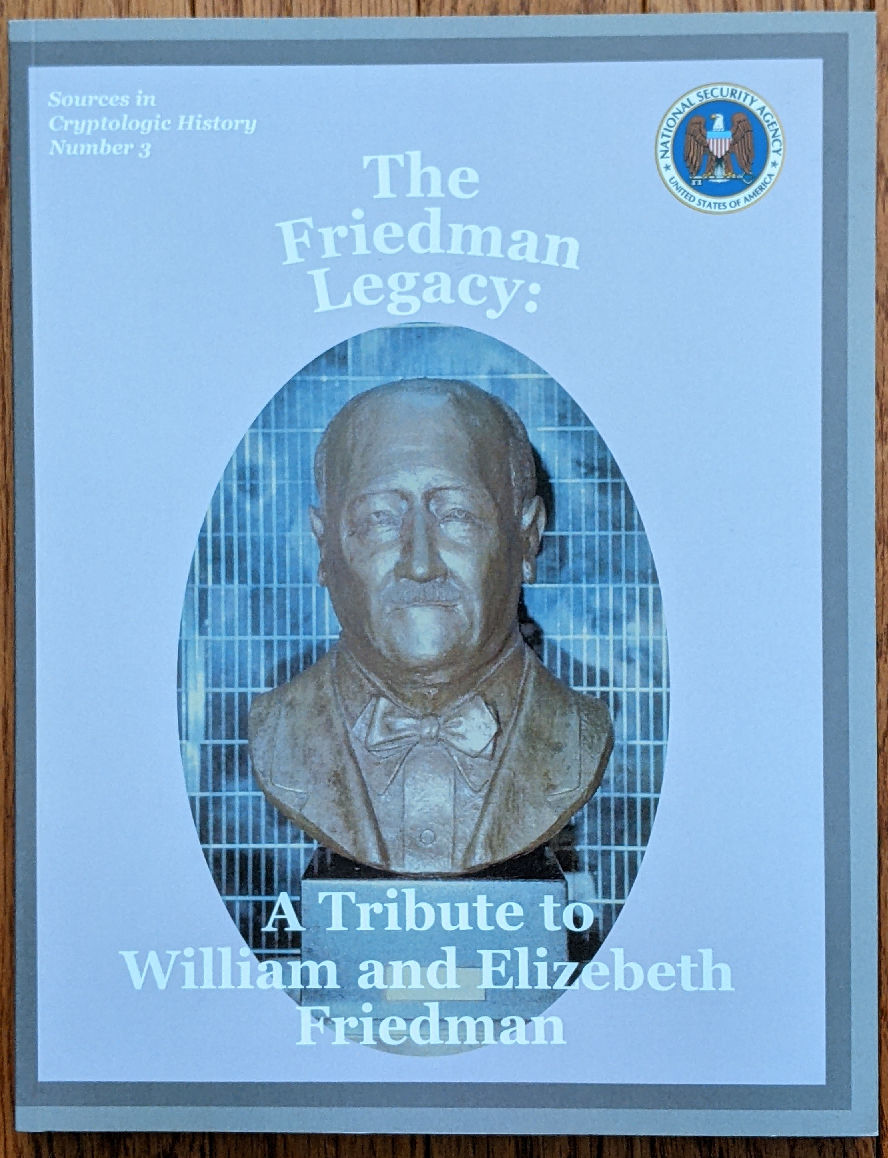
"The Friedman Legacy - A Tribute to William and Elizebeth Friedman (213 pages) par la NSA, 3ième édition, 2006. J'ai une copie avec couverture souple dans la collection. |
Livre avec couverture souple écrit par le personnel de la NSA/CCH. De l'avant-propos par David W. Gaddy, nous avons:
"To term this modest collection The Friedman
Legacy requires both explanation and apologia. Of
Friedman, as of Wren, it might well be said, “If you
seek his monument, look around you” at the giant
and far-flung corporate entity that represents
American cryptology today. But a most tangible and
rewarding form of his legacy for many of us has
long been his “Lectures.” First published within
NSA in 1963, after serialization in a journal five
years earlier, they were republished two years
later by his first recruit into government service
and the first commandant of the National
Cryptologic School, the eminent cryptologist Frank
Rowlett. In his Foreword to that edition, Mr.
Rowlett described the lectures as “. . . the history of
Cryptology [as] recorded by the most prominent
pioneer in the application of scientific principles to
the field – one who, without question, laid the foundation for our modern concepts. It is hoped that
both new and old employees may be inspired with a
feeling of belonging to a profession that abounds in
drama and fascination and that has had a profound
impact on history.”
|
|
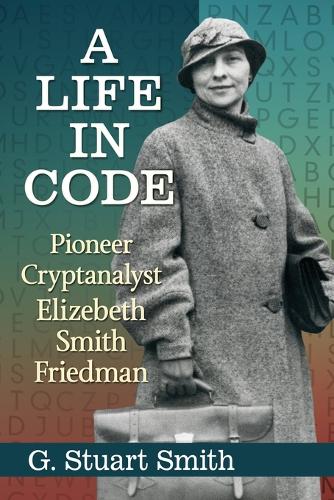
"A Life in Code: Pioneer Cryptanalyst Elizebeth Smith Friedman" (240 pages) par G. Stuart Smith, 2017. Editeur: McFarland and Co Inc. J'ai une copie à couverture souple dans ma collection. |
Livre à couverture souple écrit par G. Stuart Smith (ISBN: 9781476669182 ). De l'éditeur, nous avons:
"Protesters called it an act of war when the U.S. Coast Guard sank a Canadian-flagged vessel in the Gulf of Mexico in 1929. It took a cool-headed codebreaker solving a "trunk-full" of smugglers' encrypted messages to get Uncle Sam out of the mess: Elizebeth Smith Friedman's groundbreaking work helped prove the boat was owned by American gangsters.
This book traces the career of a legendary U.S. law enforcement agent, from her work for the Allies during World War I through Prohibition, when she faced danger from mobsters while testifying in high profile trials. Friedman founded the cryptanalysis unit that provided evidence against American rum runners and Chinese drug smugglers. During World War II, her decryptions brought a Japanese spy to justice and her Coast Guard unit solved the Enigma ciphers of German spies. Friedman's "all source intelligence" model is still used today by law enforcement and counterterrorism agencies against 21st century threats."
|
|
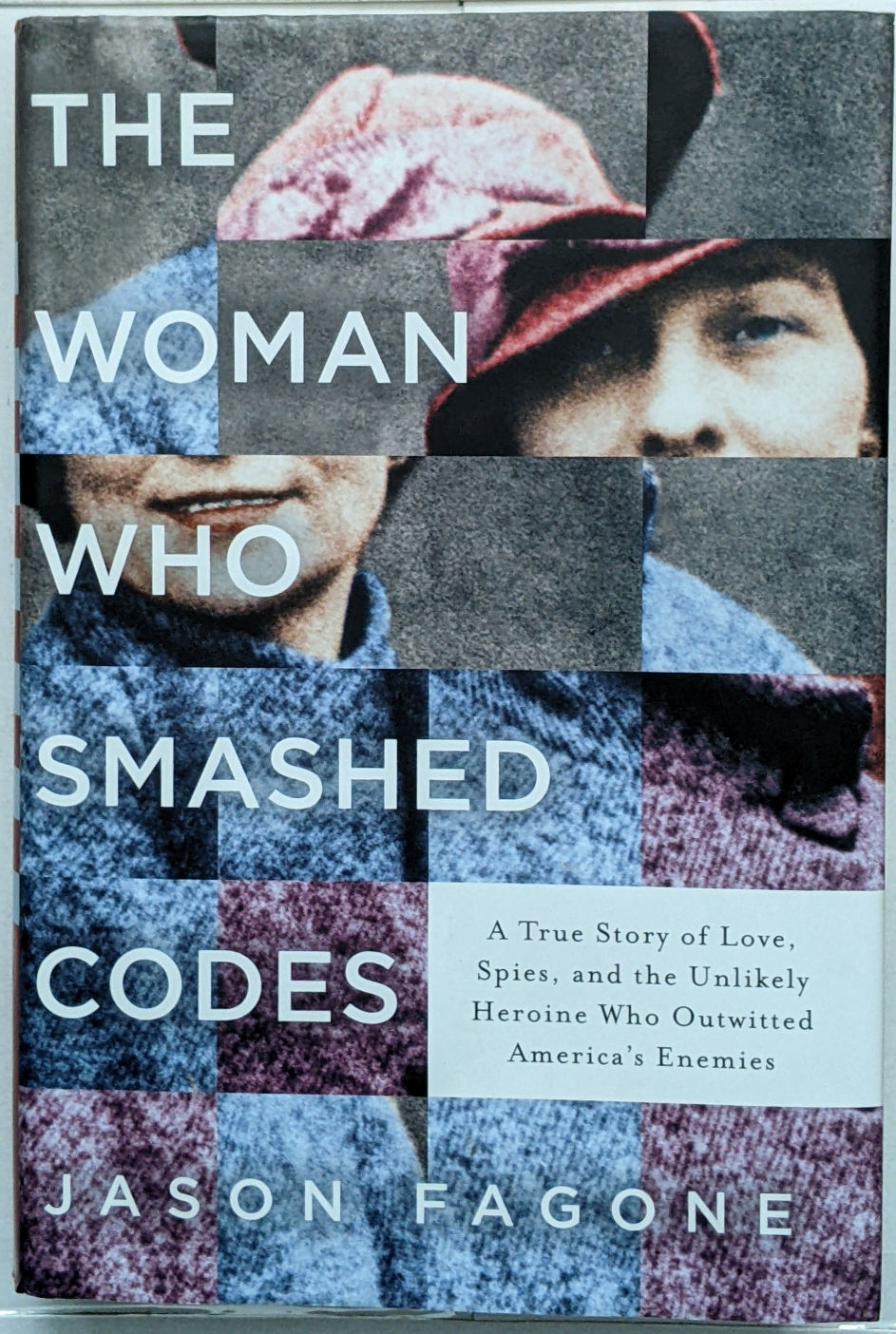
"The Woman Who Smashed Codes - A True Story of Love, Spies, and the Unlikely Heroine Who Outwitted America's Enemies" (444 pages) par Jason Fagone, 2017. Editeur: HarperCollins. J'ai une copie avec couverture rigide dans la collection. |
Voici une présentation sur Youtube par Jason Fagone. Livre avec couverture souple ou rigide écrit par Jason Fagone (ISBN: 9780062430489). De l'éditeur, nous avons:
"In 1916, at the height of World War I, brilliant Shakespeare expert Elizebeth Smith went to work for an eccentric tycoon on his estate outside Chicago. The tycoon had close ties to the U.S. government, and he soon asked Elizebeth to apply her language skills to an exciting new venture: code-breaking. There she met the man who would become her husband, groundbreaking cryptologist William Friedman. Though she and Friedman are in many ways the “Adam and Eve” of the NSA, Elizebeth’s story, a vital piece of women's history, incredibly, has never been told.
|
|
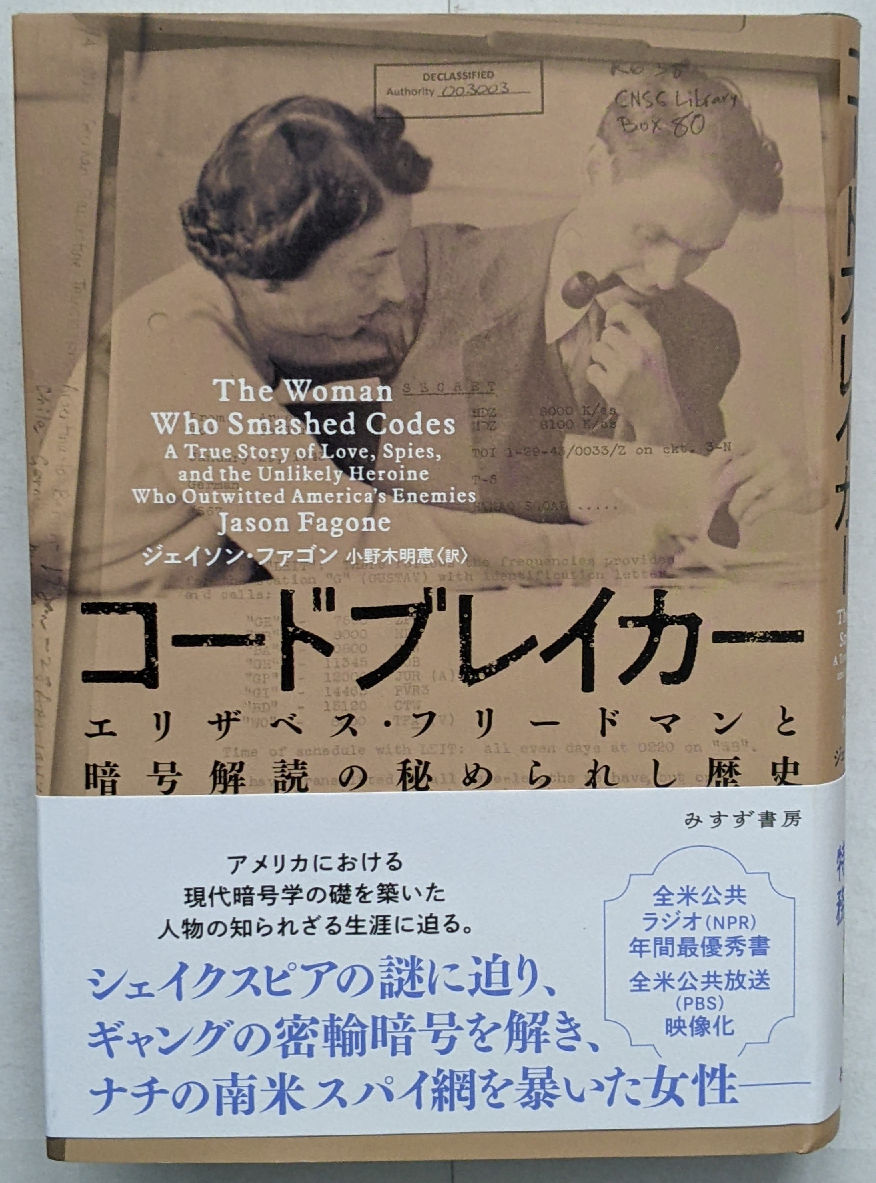
Edition japonaise (traduit de l'anglais en japonais par Akie Onogi) du livre "The Woman Who Smashed Codes - A True Story of Love, Spies, and the Unlikely Heroine Who Outwitted America's Enemies" (496 pages) par Jason Fagone, 2024. Editeur: Misuzu Shobo. J'ai une copie avec couverture rigide dans ma collection. |
Livre à couverture rigide par Jason Fagone traduit en japonais (ISBN: 9784622097365). Des enchères sur eBay (au Japon), nous avons les descriptions suivantes (en anglais):
"This book is a detailed biography of Elizebeth Smith Friedman, a pioneering woman in modern cryptography in the United States. Covering her life from 1892 to 1980, it explores her significant contributions to codebreaking and intelligence. Her husband, William Friedman, is also featured, known for leading the U.S. Army's efforts to decode Japanese diplomatic ciphers, including the Purple cipher. The narrative delves into her work at the Riverbank Laboratories, her involvement in uncovering secret plots during Prohibition, and her role in monitoring Nazi spy networks in South America during World War II. Based on letters, diaries, declassified documents, and interviews, the book reveals many previously unknown achievements. Notable figures such as FBI Director J. Edgar Hoover, Alan Turing, and Ian Fleming also appear, adding depth to the story. This acclaimed biography was recognized as the best book of the year by NPR and served as the basis for a PBS documentary. The author, Jason Fagone, is a respected American journalist specializing in science, technology, and culture. The translator, Akie Onogi, is a professional translator based in Osaka. This is a compelling read for those interested in cryptography, history, and espionage.
|

|
"The Woman All Spies Fear - Code breaker Elizebeth Smith Friedman and her hidden life" (336 pages) par Amy Butler Greenfield, 2021. Editeur: Random House. J'ai une copie avec couverture rigide dans ma collection. Amy Butler Greenfield offre une présentation sur son livre (et les recherches) sur ce lien vidéo Youtube. |
Livre à couverture rigide par Amy Butler Greenfield (ISBN: 9780593127216). Du site Indigo Books, nous avons:
"Elizebeth Smith Friedman had a rare talent for spotting patterns and solving puzzles. These skills led her to become one of the top cryptanalysts in America during both World War I and World War II.
|
|
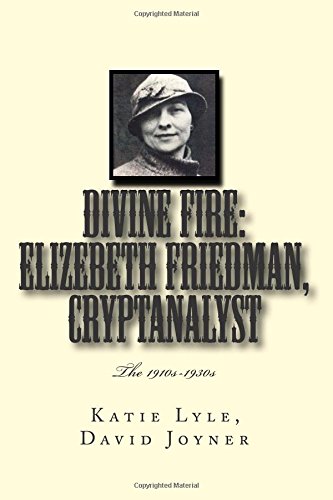
Divine Fire: Elizebeth Friedman, Cryptanalyst: The 1910s-1930s." (176 pages) par Katie Letcher Lyle et W. David Joyner, 2015. Editeur: CreateSpace Independent Publishing Platform. |
Livre écrit par Katie Letcher Lyle et W. David Joyner (ISBN: 9781508545125). Du site Amazon, nous lisons:
"Elizebeth Friedman was one of America's greatest cryptographers in the early- to mid-1900s. She worked during the Prohibition era for the Department of the Treasury and the Coast Guard and, at various times during World War I and World War II, for the War Department. This monograph concerns her personal life and professional work for the Coast Guard on liquor and narcotics smuggling, up to the late 1930s."
|
|
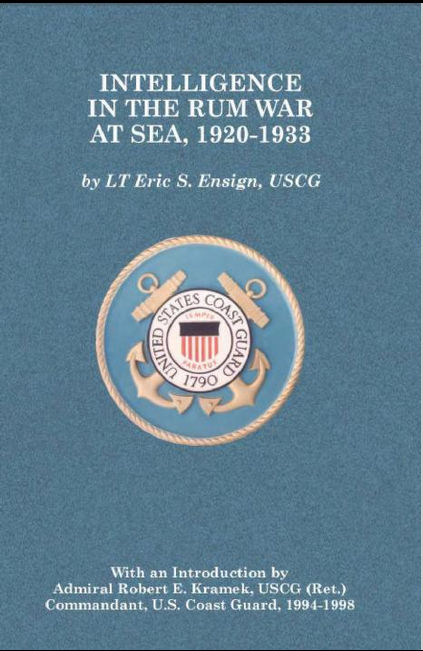
"Intelligence in the Rum War at Sea, 1920-1933 (100 pages) par Eric S. Ensign (United States Coast Guard), août 1998. |
Livre écrit par Eric S. Ensign (United States Coast Guard) (Identificateur: DTIC_ADA485809). De ce livre, nous avons les extraits suivants:
"To further elevate the Intelligence Section’s status as a valuable aid to the interdiction effort, in the summer of 1925, the Intelligence Section was designated Section “C” and placed directly under the Chief of Operations at Coast Guard Headquarters.12 Following this pattern of growth, now Commander (CDR) Root was given an assistant. Lieutenant Junior Grade (LTJG) Clifford D. Feak, in early 1927.13 As part of his introduction to intelligence work, LTJG Feak was instructed in cipher fundamentals under the guidance of the legendary Major William F. Friedman, of the War Department’s Signal Corps.14 The year 1927 also brought two new civilian personnel to the Intelligence Section: Major Friedman’s wife, Mrs. Elizebeth S. Friedman, and Anna A. Wolf, both hired by the Prohibition Bureau and detailed to the Coast Guard to assist in cryptanalysis.15
|
|
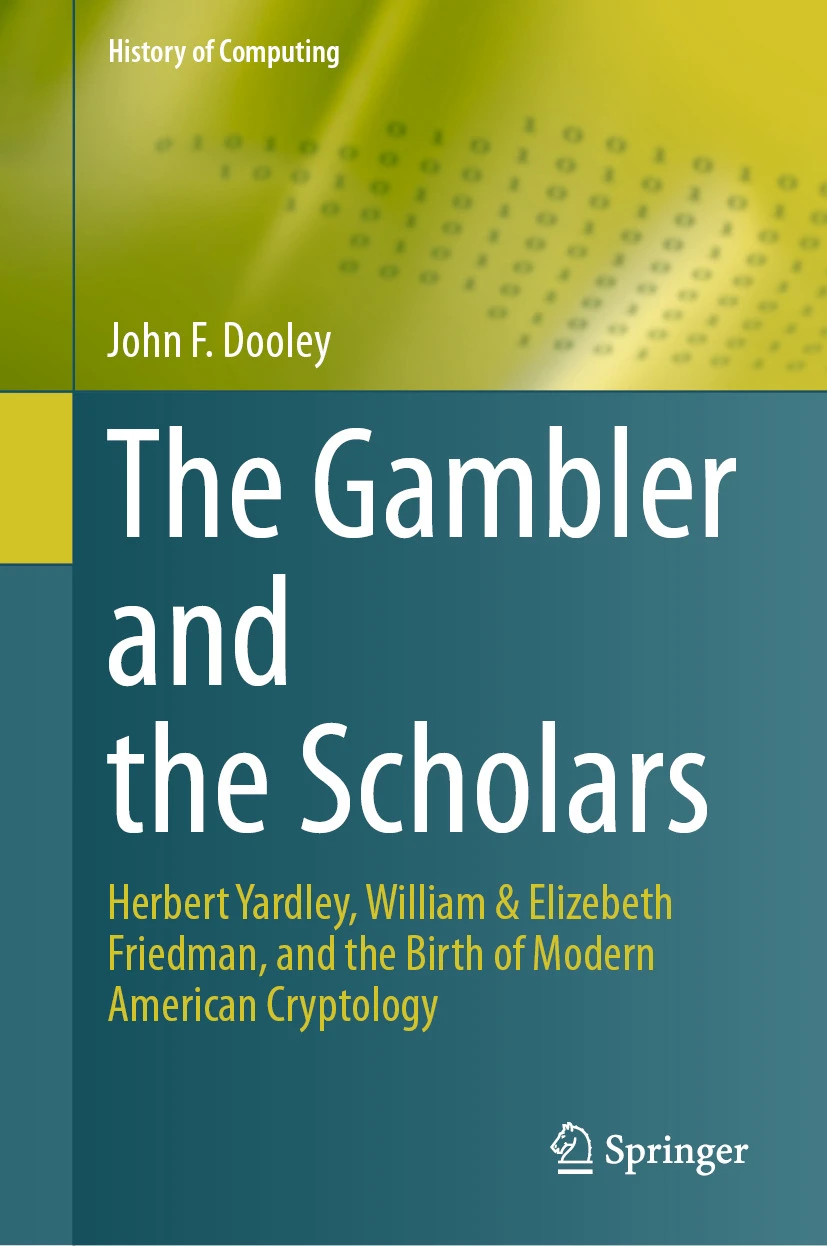
" The Gambler and the Scholars: Herbert Yardley, William & Elizebeth Friedman, and the Birth of Modern American Cryptology " (240 pages) par John F. Dooley, 2023. Editeur: Springer. J'ai une copie avec couverture rigide dans la collection. |
Livre avec couverture rigide par John F. Dooley (ISBN: 9783031283178). De l'éditeur, nous avons:
"In May 1917, William and Elizebeth Friedman were asked by the U.S. Army to begin training officers in cryptanalysis and to decrypt intercepted German diplomatic and military communications. In June 1917, Herbert Yardley convinced the new head of the Army’s Military Intelligence Division to create a code and cipher section for the Army with himself as its head.
|
|
Vidéo "Les codes secrets de la mafia" (en français - 50 minutes) promut par le George C. Marshall Foundation sur leur site web. A noter un lien au bas de la page qui parait sur ce site pour voir la bande-annonce – vidéo en continu sur Curiosity Stream. Vous pouvez regarder cette épisode sur Apple TV en autant que vous avez un compte chez Apple et que vous demeurez dans une région "acceptable". |
Vidéo (50 minutes) intitulé "The Mob Code” parut pour la première fois le 22 août 2022 – raconté par Demetri Goritsas. Du site web IMDB, nous avons la description suivante:
"The Mob Code reveals the story of one of history's greatest code breakers: Suburban mom, Elizebeth Friedman. Against the odds she cracks the codes which bring down the Mob, saves countless lives in WW2 - armed with just a pencil and paper."
|
|
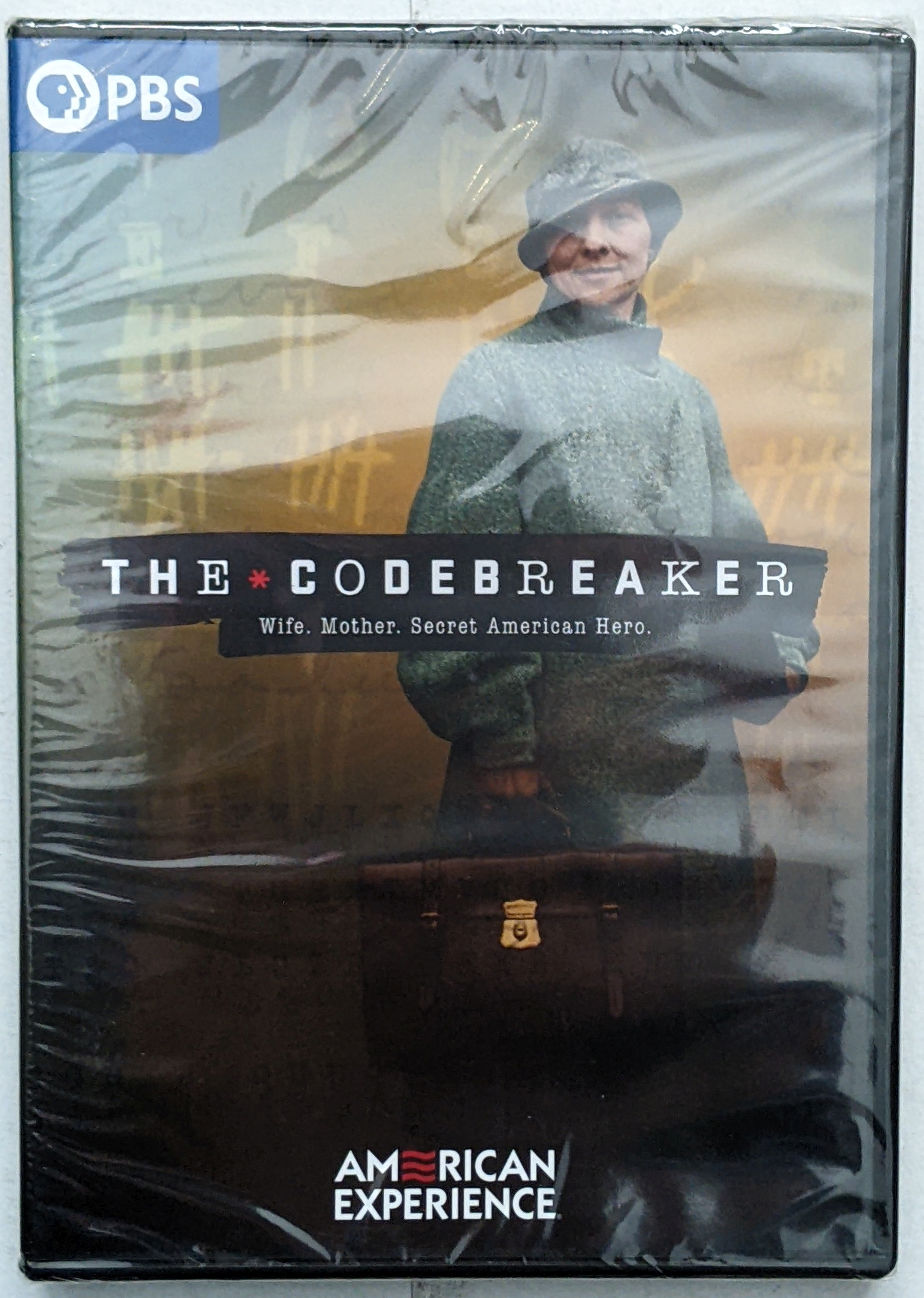
"Documentaire PBS - The Codebreaker - Wife, mother, Secret American Hero" DVD par chaîne américaine PBS pour American Experience, 2021. J'ai une copie dans ma collection. |
Produit par PBS pour leur série American Experience. Du site web PBS, nous avons:
"Based on the book The Woman Who Smashed Codes: A True Story of Love, Spies, and the Unlikely Heroine Who Outwitted America's Enemies, The Codebreaker reveals the fascinating story of Elizebeth Smith Friedman, the groundbreaking cryptanalyst whose painstaking work to decode thousands of messages for the U.S. government would send infamous gangsters to prison in the 1930s and bring down a massive, near-invisible Nazi spy ring in WWII. Her remarkable contributions would come to light decades after her death, when secret government files were unsealed. But together with her husband, the legendary cryptologist William Friedman, Elizebeth helped develop the methods that led to the creation of the powerful new science of cryptology and laid the foundation for modern codebreaking today."
|
|
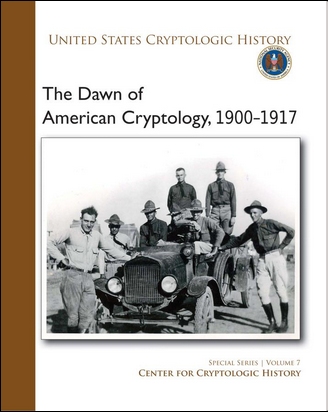
Book - "The Dawn of American Cryptology, 1900-1917 (80 pages) par David Hatch CCH/NSA, 2019. J'ai une copie avec couverture souple dans la collection. |
Livre avec couverture souple par David Hatch à la NSA/CCH. A la page 11, nous avons:
"As late as August 1917, MI forwarded an encrypted telegram—intercepted at Nogales—to Fabyan in Chicago. Fabyan was asked to furnish a copy of the deciphered message with the key and keyword, if any. Presumably, Fabyan further delegated the task to William and Elizebeth Friedman, two civilian cryptologists at Riverbank.”
|
|
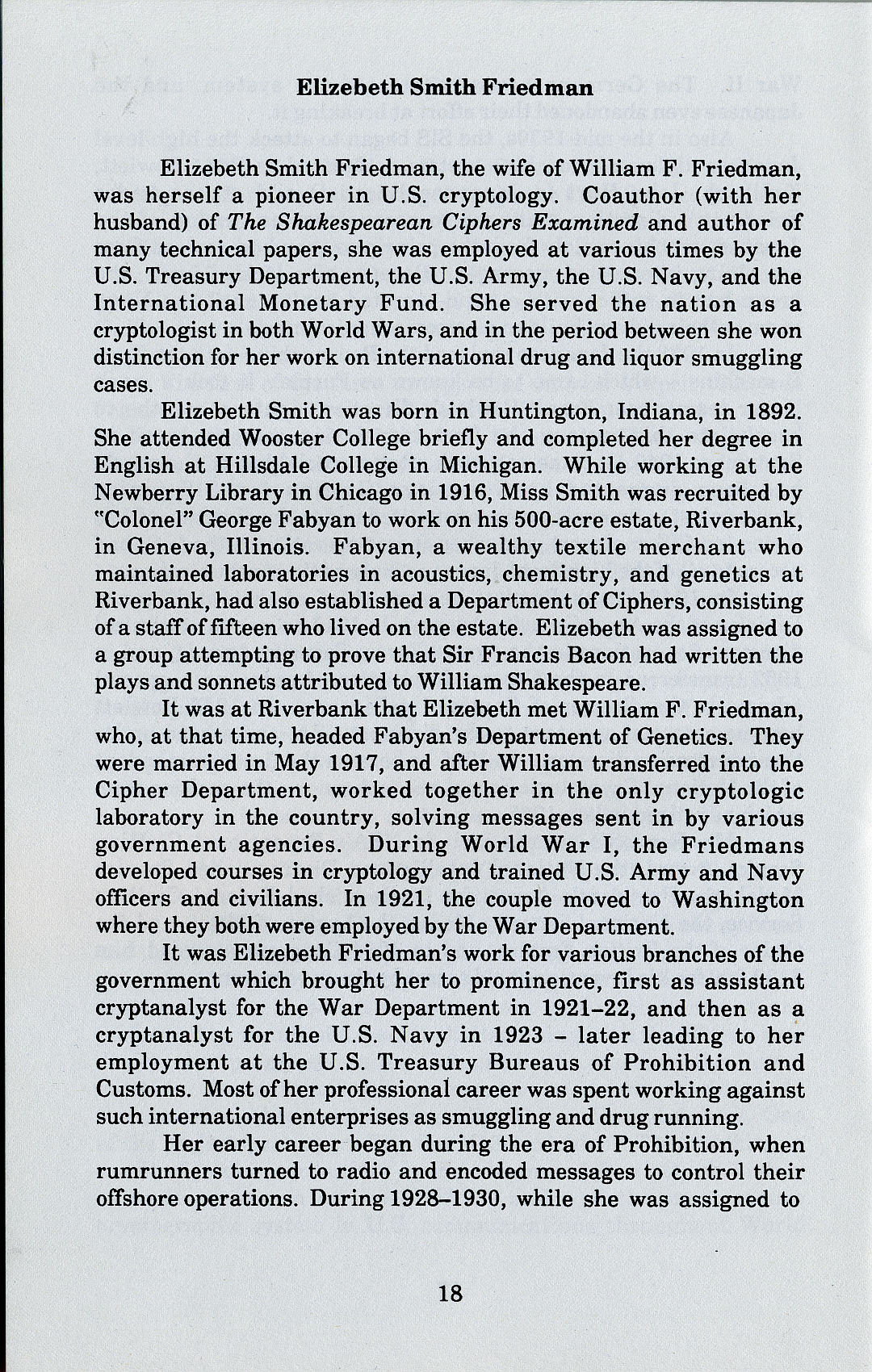
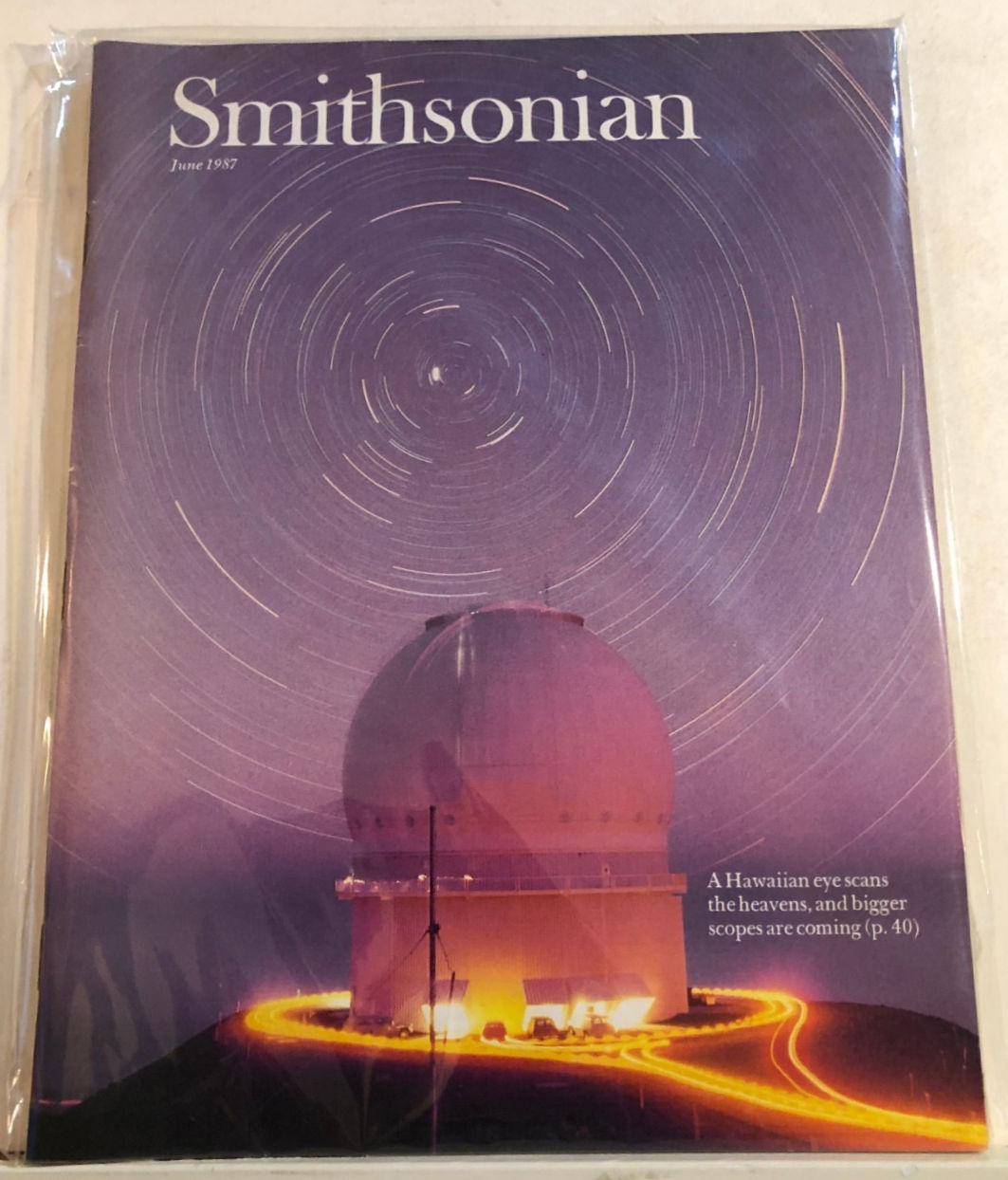
Article - "Breaking Codes Was This Couple's Lifetime Career" - édition de juin 1987 de la revue Smithsonian. Voici un scan de l'article en question. |
L'article lit comme suit: "William and Elizebeth Friedman were roped into an odd profession by a wealthy eccentric and became America's premier cryptologists. Toward the end of World War I, the British Army began manufacturing thousands of small cipher machines, "Pletts Cryptographs," for use by the Allied forces. The British asked the American forces to use them as well. No one in the French, British, or American military had been able to break the ciphers; the machine had a mechanism that regularly altered the ciphering scheme, so the first a might be turned into an f and next a into an r. Just to be sure that it was safe from enemy codebreakers, the American military passed it on to a remarkable husband-and-wife team in Illinois for testing. William and Elizebeth Friedman received a package with five telegram-length messages. It took all of three hours to break the lot, after with they returned them to London, solved. The first of the messages read: "This cipher is absolutely undecipherable. Few ciphers were indecipherable to the Friedmans. By the end of his life, William Friedman was recognized as the greatest maker and breaker of codes and ciphers. Repeatedly, he accepted challenges to solve "unbreakable" ciphers, and succeeded. The papers he wrote brought cryptology, an ancient skill as obscure as witchcraft, into the scientific age. The team he trained and supervised broke into Japan's highest diplomatic cipher just before World War II; not only did the group penetrate the secret, it built a deciphering machine that worked as well as Japan's cipher machine. Elizebeth Friedman provided exceptional assistance to the U.S. Coast Guard and Navy, unraveling secret messages from rumrunners during Prohibition, narcotics traffickers during the 1930's and enemy agents during wartime. True to the shadowy world of intelligence work, the pair shunned publicity and avoided discussing their work - even with each other." |

|
Article - "Cryptographer" - dans l'édition de mars 1934 de la revue American Magazine. On peut lire l'article même. |
L'article est comme suit:
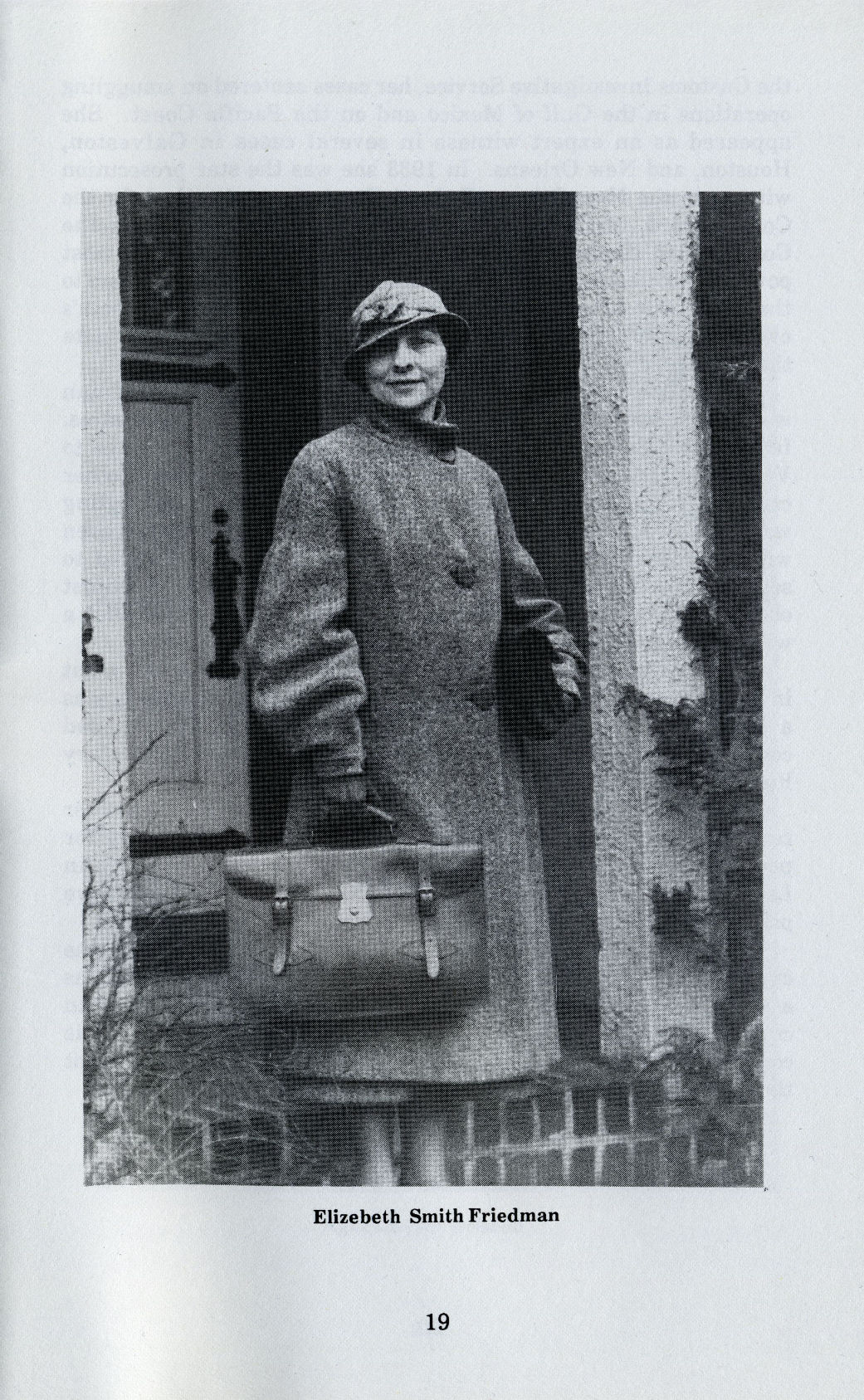
"SHE learned about ciphers from Shakespeare. In her position as chief Crypt-analytic Section of U.S. Coast Guard, trim, smart young Elizebeth Friedman has "cracked" (solved, to us) more secret messages of criminal rings than any other woman in this country. Dope smugglers, jewel thieves, rum runners - enemies of the Government - tremble before her agile brain. A cryptic wireless message, intercepted, is brought to her. Studies it. Translates it - and Federal agents are on the trail. At a recent trial in New Orleans, where she was Uncle Sam's expert witness, nine lawyers tried to confound her. She won - and another gang of dope peddlers went to jail. Seldom, if ever, finds a message too complicated to unravel. uses many methods, including higher mathematics. Became interested in analyses of cryptograms by working on the old controversy as to whether or not Francis Bacon wrote Shakespeare's plays and concealed his message in cipher. First real work began with spy codes during the World War. Mrs. Friedman is the mother of two children, and accomplished musician, club woman, ardent bicyclist. Married to Major William Friedman, Chief of the Signal Intelligence Service of the War Department. Together they have represented the United States at international conferences. Last year, while in Spain, they received cryptic messages from their nine-year-old daughter. It seems it runs in the family."
|
|
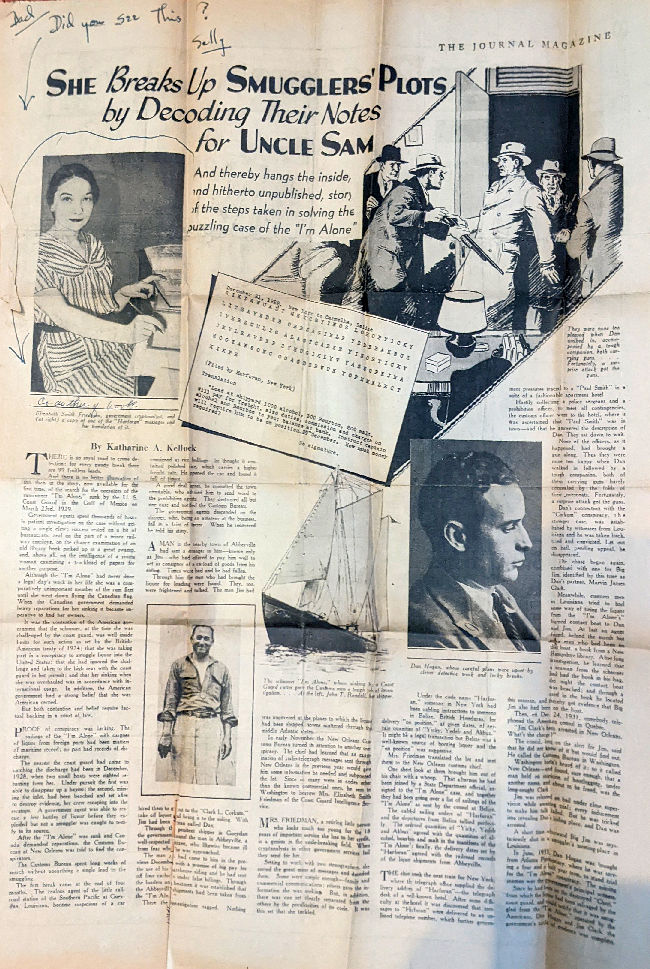
Article - "She Breaks Up Smugglers' Plots by Decoding Their Notes for Uncle Sam" - du 22 juillet 1934 Journal Magazine par Katharine A. Kellock. L'article parut aussi en même temps dans le New Orleans Times Picayune. |
L'article commence comme suis:
"There is no royal road to crime detection: for every gaudy break there are 99 fruitless leads.
|
|
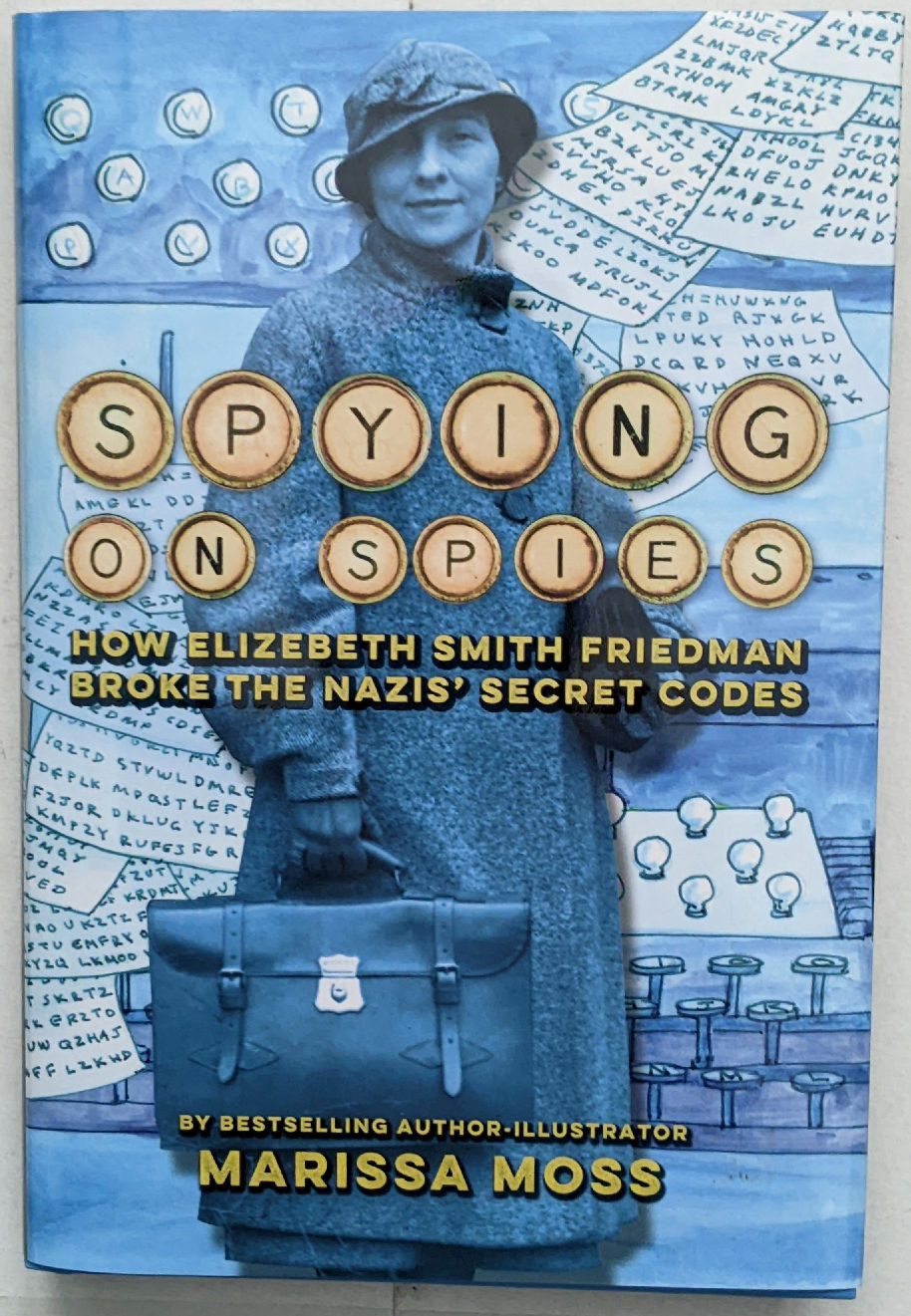
Livre - "Spying on Spies - How Elizebeth Smith Friedman Broke the Nazis' Secret Codes" par Marissa Moss en 2024. Publié par Abrams avec 224 pages - ISBN: 9781419767319. |
Du site web de l'éditeur, nous avons la description suivante:
"Praised for her accessible blend of narrative nonfiction with graphic novel-style chapter openers in The Woman Who Split the Atom: The Life of Lise Meitner, Marissa Moss’s Spying on Spies: How Elizebeth Smith Friedman Broke the Nazis’ Secret Codes is another fascinating story of a groundbreaking woman in STEM.
|
|
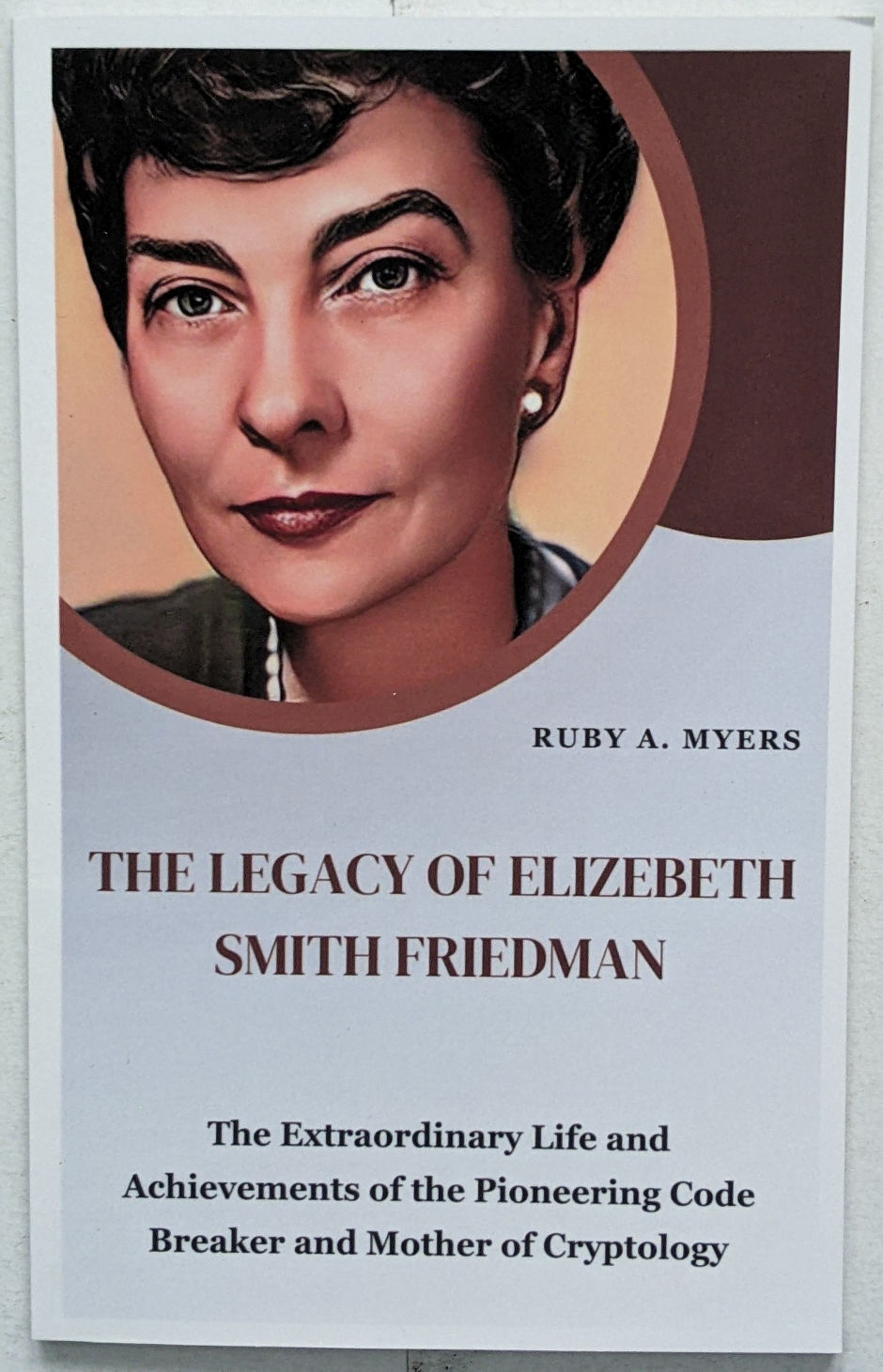
Livre avec couverture souple - "The Legacy of Elizebeth Smith Friedman - - The Extraordinary Life and Achievements of the Pioneering Code Breaker and Mother of Cryptology" par Ruby A. Myers en 2024. Publié par Amazon Digital Services avec 70 pages - ISBN: 9798878631259. |
Du site Google Books, nous avons la description suivante:
"A Fascinating Account of the American Cryptanalyst and Author who Decrypted Enemy Codes in both World Wars and Solved Smuggling Cases in the Prohibition Era.
|
|
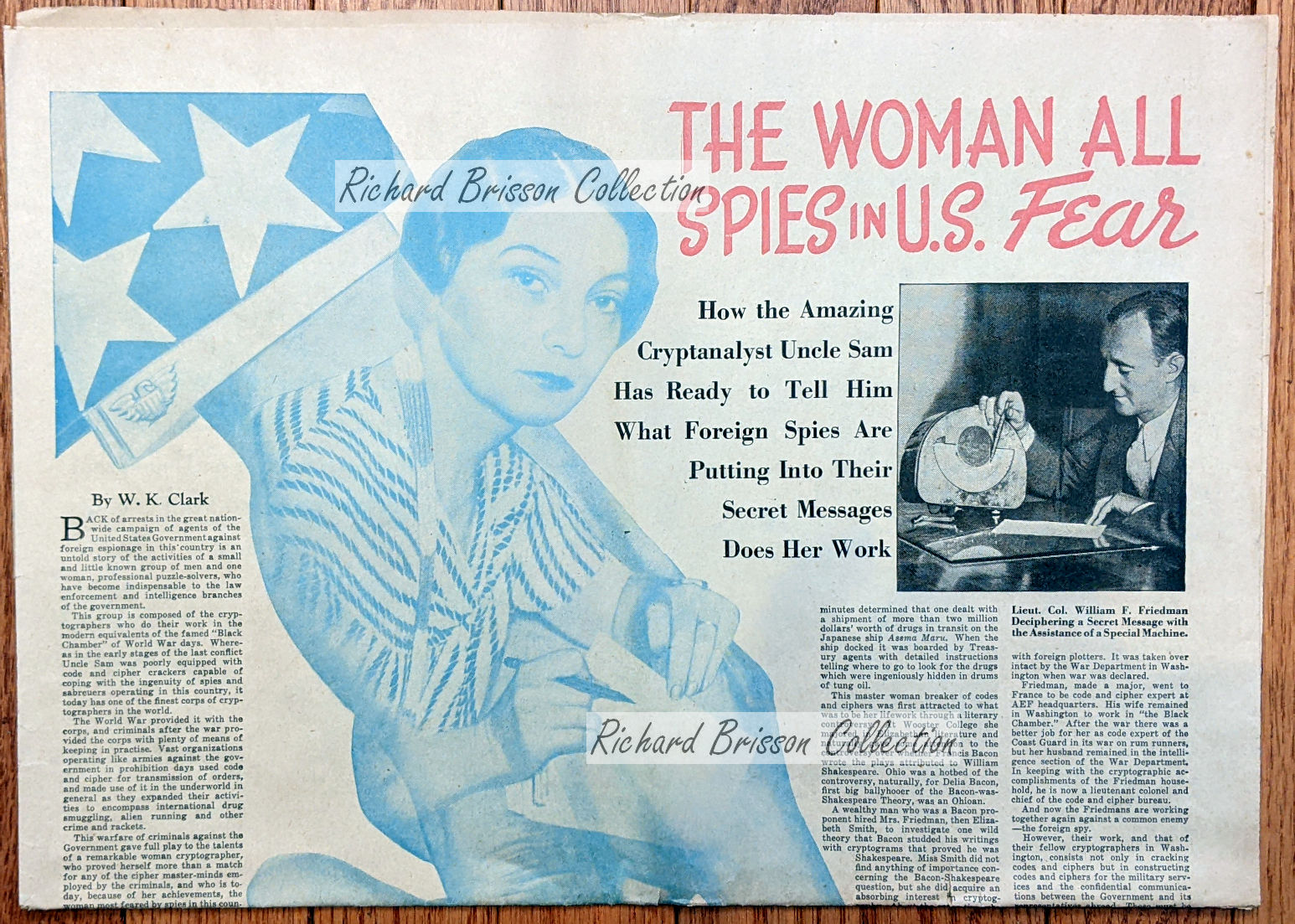
Article - The Woman All Spies in U.S. Fear (article occupe une pleine page) par W. K. Clark, 1939. Article syndiqué. |
De l'article, nous avons:
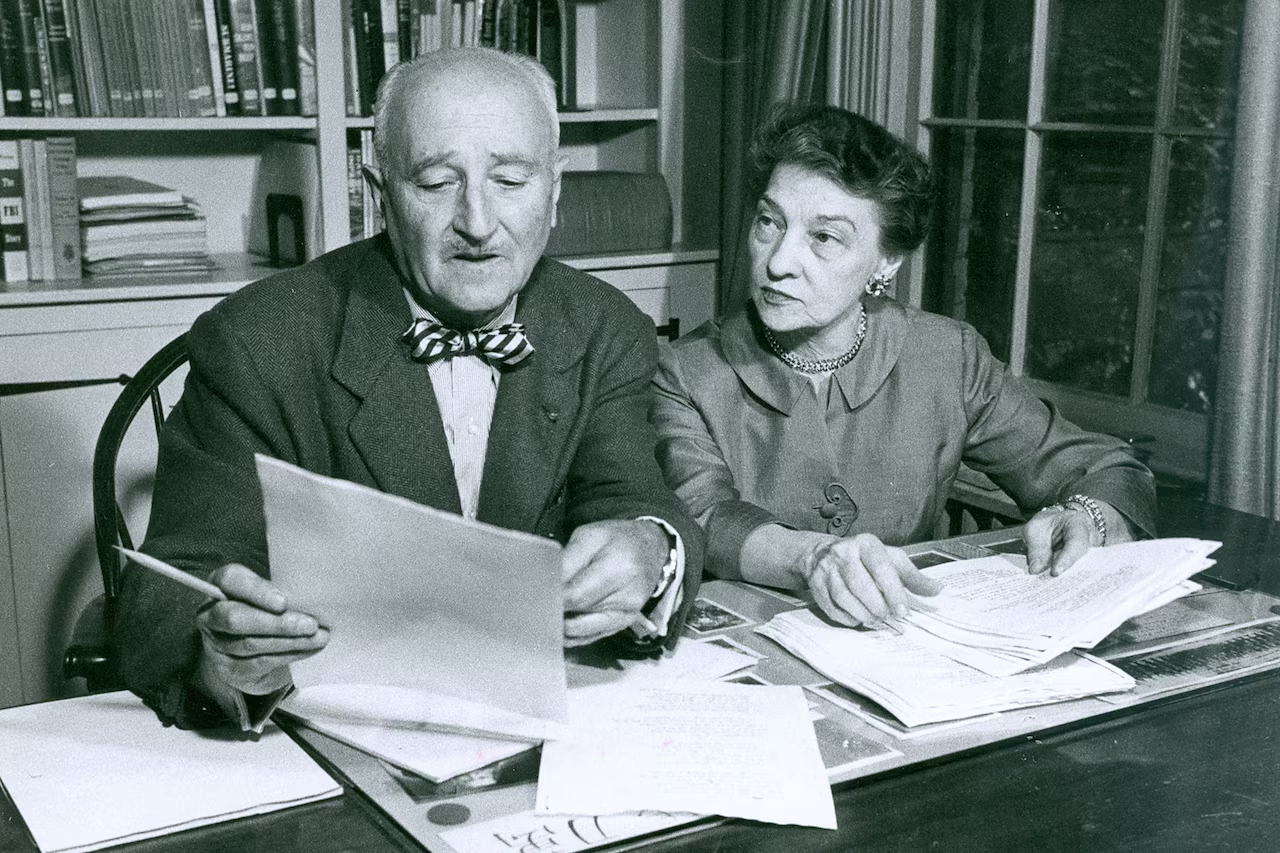
"How the amazing cryptanalyst Uncle Sam has ready to tell him what foreign are putting into their secret messages does her work.
|
|
"This Woman Saved the Americas From the Nazis" - Article en-ligne du National Geographic par Simon Worrall, octobre 2017. |
De l'article, nous avons:
"She wasn't a mathematician. She was a poet. But she turned out to be a genius at solving these very difficult puzzles, and her solutions changed the 20th century. She caught gangsters and organized-crime kingpins during Prohibition. She hunted Nazi spies during World War II.
|
|
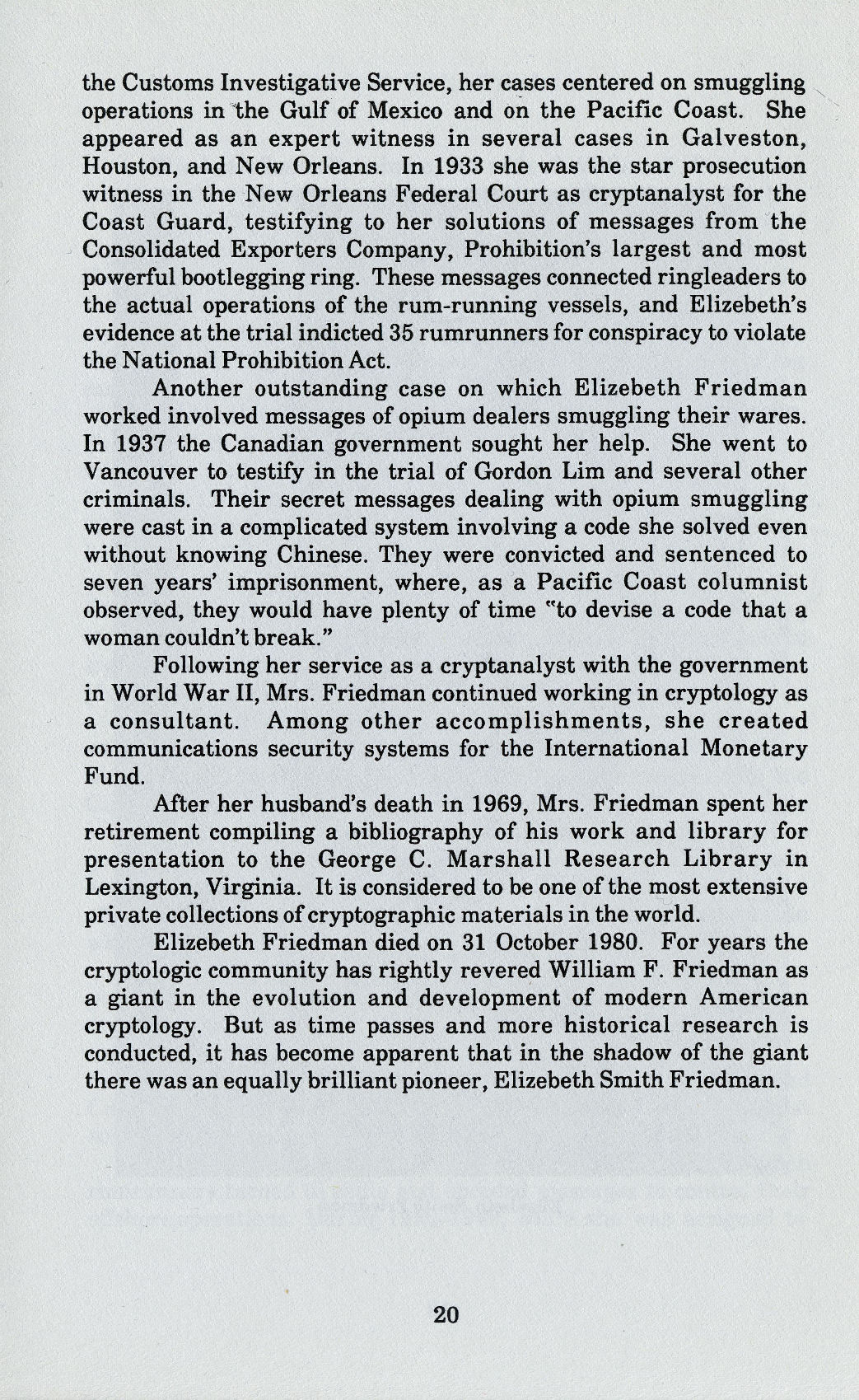
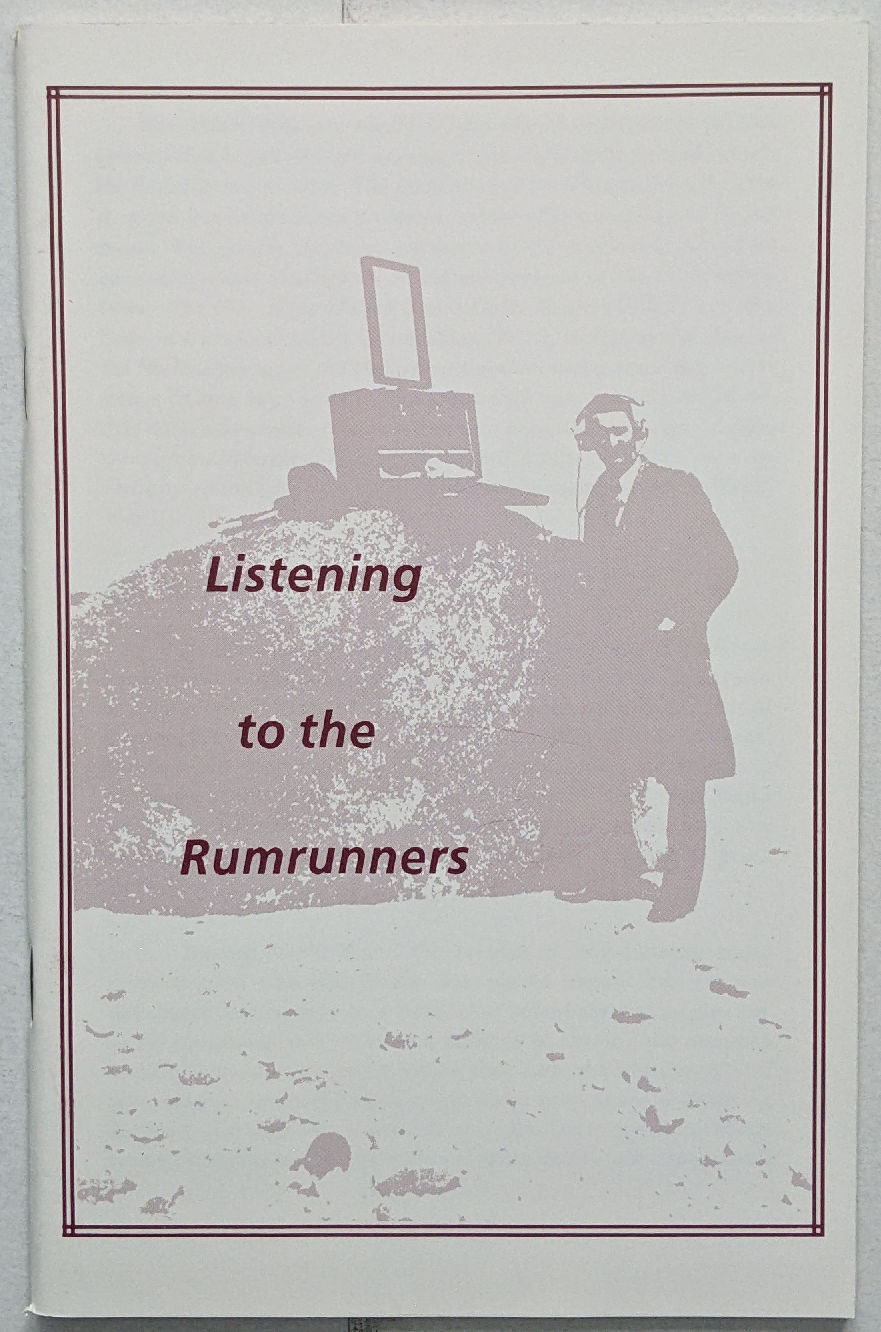
Livret (NSA) - Listening to the Rumrunners écrit par David P. Mowry. Vous pouvez lire le livret à ce site web. |
De ce site web, nous avons la description suivante:
"Listening to the Rumrunners - Most Americans are aware of the era of lawlessness in this country that began with the passage of the Eighteenth Amendment to the Constitution in 1919. The institution of Prohibition brought with it major law enforcement problems, whose effects continue to be felt today. Few people, however, are aware of the major role played by communications intelligence in the enforcement of the Prohibition laws. The files of the United States Coast Guard (USCG) and the Federal Communications Commission (FCC), including the files of the Radio Division of the Department of Commerce, show that radio was used on a large scale in connection with rum-running activities. The radio operations of the rum-running organizations were, in fact, comparable in size, technical skill, and organization with the radio operation that would be conducted by enemy agents in World War II.
|
|
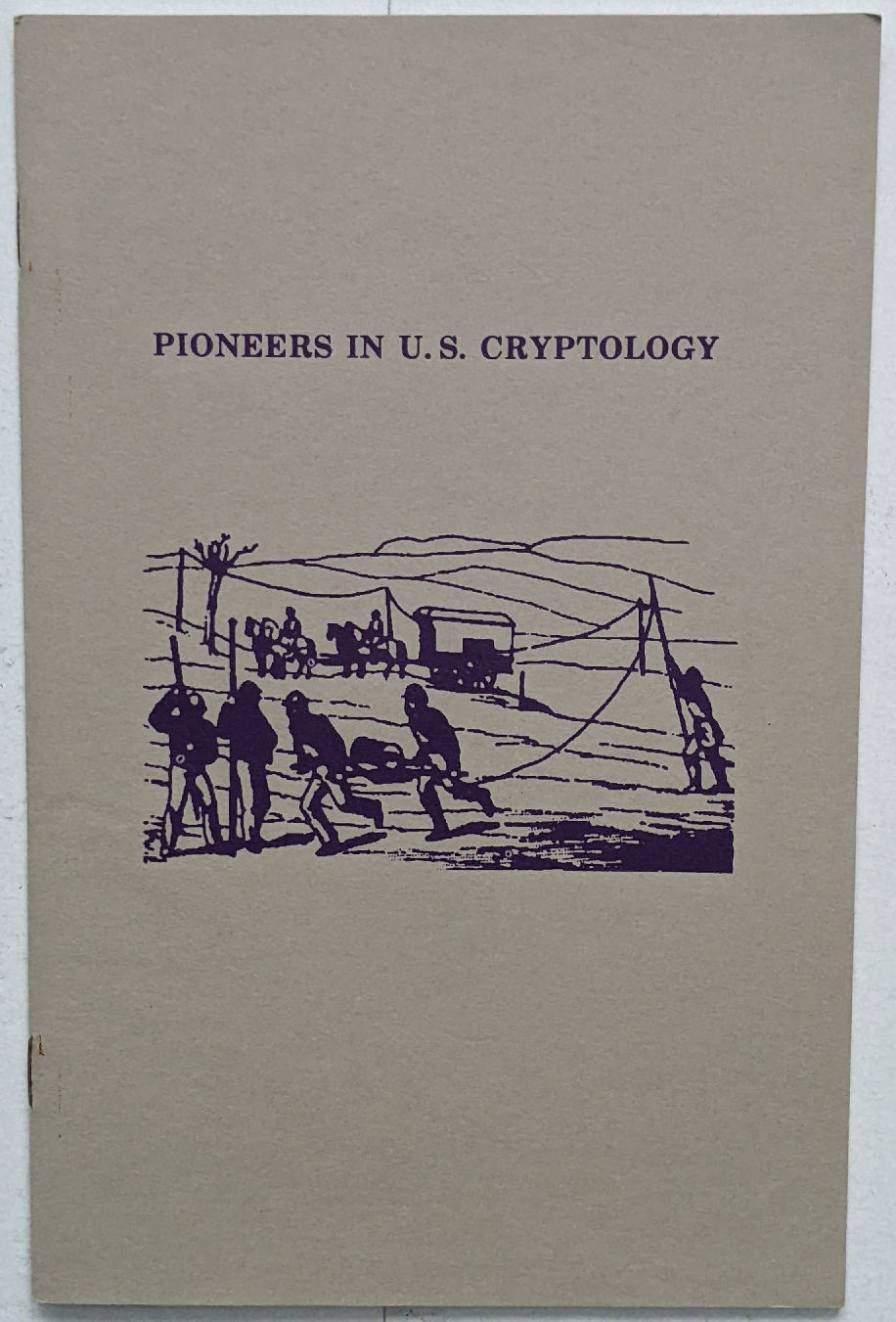
Livret (NSA) - Pioneers in U.S. Cryptology publié par CCH (Center for Cryptologic History - NSA). |
De ce site web, nous avons la description suivante:
"The lives of Herbert O.Yardley, William F. Friedman, Captain
Laurance F. Safford, Rear Admiral Joseph N. Wenger, Frank 6.
Rowlett, Elizebeth Smith Friedman, and Agnes Meyer Driscoll."
|
|
“The British: She met William Stephenson, head of British Security Coordination (BSC), New York on one occasion--at an official social function in Washington. She did not learn the importance of Stephenson's position until later. Stephenson's name was mentioned with the utmost respect, even awe, in intelligence circles. She often encountered two of Stephenson's officers: Colonel Stratton and Captain Kenneth Maidment. Stratton, a famous astronomer, was a regular visitor to the USCG unit where he exchanged machine solutions and discussed other Comint matters related to the Comint problem. She can no longer recall Maidment's role.”. |
|
“As to J. Edgar Hoover: Mrs Friedman understands that J. Edgar Hoover had a very high opinion of her husband although she does not know the nature of their official association. She recalled a Hoover story that her husband told her -- during the war years Hoover lunched at Harvey's restaurant in Washington where he had a regular table. A bottle of wine was always placed on his table before his arrival. It was Hoover's custom to take his wine bottle around the restaurant pouring a glass for persons he saw there who he knew and liked or who he wanted to know. Mr. Friedman was a recipient of the ceremonial glass”. |
|
|
|
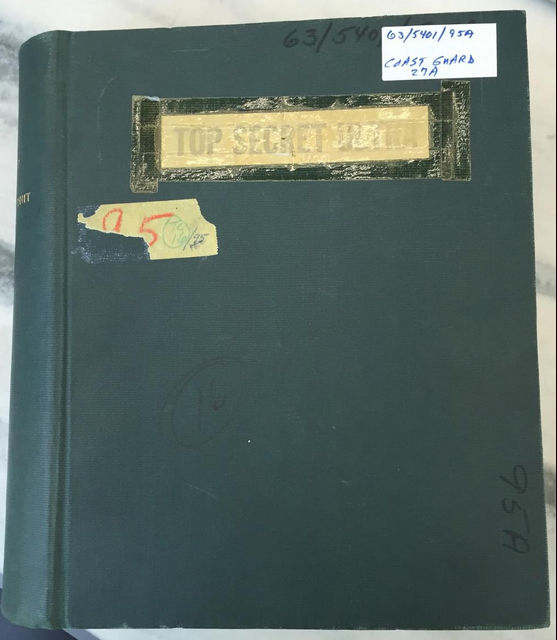
Lecture du livre archivé "History of the Coast Guard Unit #387" (336 pages). |
Livre couvrant l'histoire du U.S. Coast Guard Unit #387 (1940-1945) – initialement classifié "Top Secret Ultra". Du site avec ce document, nous avons:
"A technical history of the codebreaking achievements of the U.S Coast Guard Cryptanalytic Unit (a.k.a. Unit #387) during World War II. The unit was founded in 1931 by Elizebeth Smith Friedman, Cryptanalyst-in-Charge, who recruited and trained its codebreakers. In 1941 the unit was absorbed by the U.S. Navy and renamed OP-20-GU, and later OP-G-70, under the command of Lt. Leonard T. Jones, with Elizebeth Friedman as ranking civilian. Starting in 1940, the unit assumed responsibility for monitoring the clandestine radio communications of Nazi spies throughout the Western Hemisphere, and the unit's decrypts of Nazi messages were circulated to the Army, Navy, FBI, and British intelligence. This document describes how the unit broke the codes on dozens of Nazi radio circuits, including circuits that were protected by Kryha and Enigma-model cipher machines.
|
|
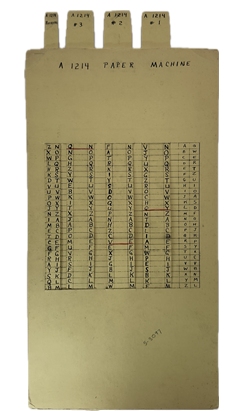
Appareils de la U.S. Coast Guard possiblement utilisés dans l'exploitation de messages Enigma. |
Appareils cartonnés des plus intéressants possiblement pour analyser/exploiter des messages Enigma au U.S. Coast Guard dans la DGm. Il y a un total de neuf appareils (avec des glissières alphabetiques de toute apparence) qui sont identifiés comme suit (en anglais):
|
 |
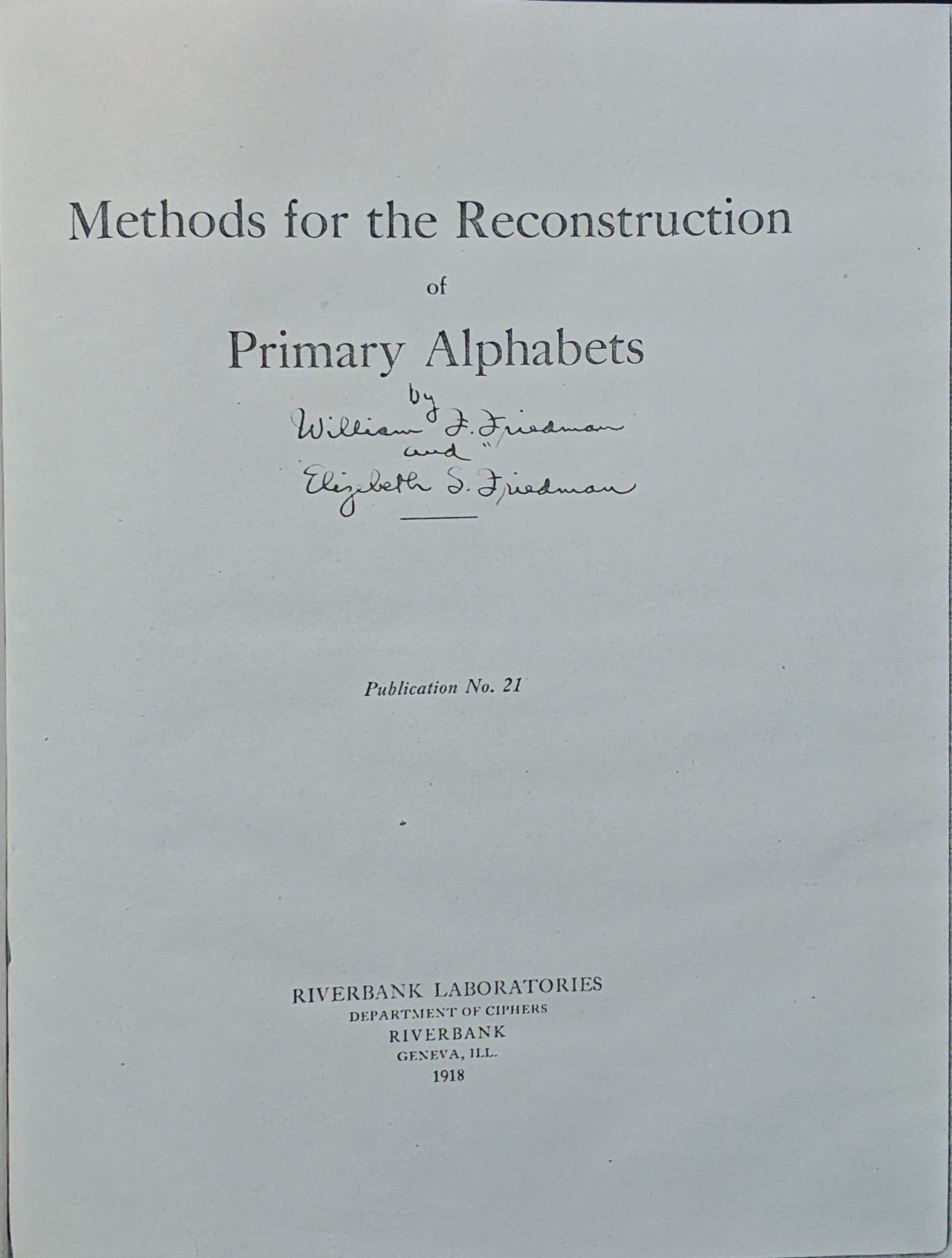
Book - "Publication No. 21: Methods for the Reconstruction of Primary Alphabets" (72 pages) par Elizebeth Friedman et William Friedman, 1918, Riverbank Laboratories. J'ai une copie avec couverture rigide dans la collection - il y a un papier collé à l'intérieur de la couverture indiquant que cette copie était dans la collection de Ken Powell. |
Livre écrit par William Friedman et Elizebeth Friedman au Riverbank Laboratories en 1918. De la note introductive, nous notons: "INTRODUCTORY NOTE It is not our intention in this brochure to describe any newly-discovered methods of cipher solution, or indeed, to make a detailed analysis of even any one system. We do not claim any remarkable achievement in putting forth the few principles herein described. They are meant rather as a stimulant to the more advanced student of deciphering. Therefore no attempt has been made to make any exhaustive analysis of different systems, or of varying methods of using the same system'. The methods here given are issued primarily as an outline or suggestion to the cipher student who is more or less familiar with complicated systems, and who therefore will be quick to see the application of the present principles to any variations of known methods. For him who wish.es to go farther into the. subject, these suggestions will be found to yield a wealth of possibilities for research, which would need volumes to describe." |
|
Ce site web contient deux liens sur des aspects analytiques et mathématiques concernant le travail d'Elizebeth Friedman durant la DGm. |
Les deux liens en question: Le premier lien du site de Jean-François couvre les approches analytiques utilisées par Elizebeth Friedman et son équipe pour exploiter l'Enigma-K de l'armée suisse - un grand nombre de messages chiffrés avec des machines Enigmas initialisées avec des cryptovariables identiques ("in depth"). Le deuxième lien couvre l'exploitation de messages allemands chiffrés avec la machine Kryha dans la DGm - et il y a un impact avec leurs Enigmas! Je présente mes sincères remerciements à monsieur Bouchaudy pour son feedback en ce qui a trait aux documents techniques et liens sur le web, tout particulièrement le lien pour le document du U.S. Coast Guard Unit #387 ci-haut! |
|
Un nombre de publications techniques ont été publiées par Stuart Boersma concernant le travail d'Elizebeteh Friedman durant la DGm. |
Rapports techniques par Stuart Boersma qui ont parut dans la publication Cryptologia - ces rapports couvrent l'analyse concernant Enigma par Elizebeth Friedman lorsqu'elle était avec le U.S. Coast Guard durant la DGm:
Voici un résumé de l'auteur du premier rapport "Elizebeth Smith Friedman’s recovery of the wiring of two rotors from an enigma D machine": "In January 1940, the U.S. Coast Guard intercepted numerous messages that were encrypted on a commercial Enigma D machine using the same key. By solving these messages in depth and examining the resulting cipher alphabets for each position of the rotors, the Cryptanalytic Unit, headed by Elizebeth Smith Friedman, was able to recover the wiring of two of the rotors. This paper explains Friedman’s methods in detail and uses them to determine the wiring of two rotors from an Enigma M3 machine." On peut accéder à une présentation Enigma en-ligne offerte par Stuart Boersma de CWU en février 2022 pour SIMIODE. |
|
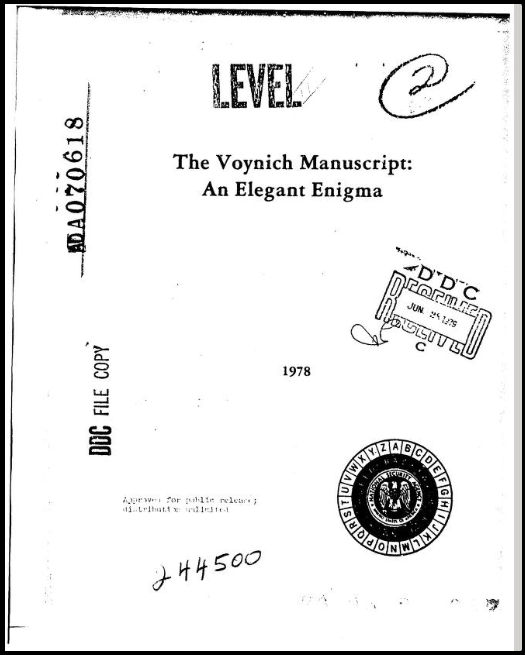
Publication de la NSA "The Voynich Manuscript – An Elegant Enigma" (143 pages) par Mary D’Imperio, 1978. Voici une autre copie en-ligne sur le site web de la NSA. |
Elizebeth et William Friedman ont passé un bon nombre d'années envers l'étude et l'analyse du manuscrit Voynich. En dépis de ces efforts, le couple Friedman n'a pas été en mesure de décoder ce manuscrit datant des années de la Renaissance, contribuant à son histoire mystique. Voici un autre livre couvrant les travaux de Mary D’Imperio’s intitulé “Technical Articles About the Voynich Manuscript" déclassifié par la NSA avec ISBN 9781608881741. Nous avons sur la couverture arrière:
"This volume contains four articles written by personnel of the National Security Agency (NSA) about the Voynich manuscript from 1965 to 1978.
|
|
|
|
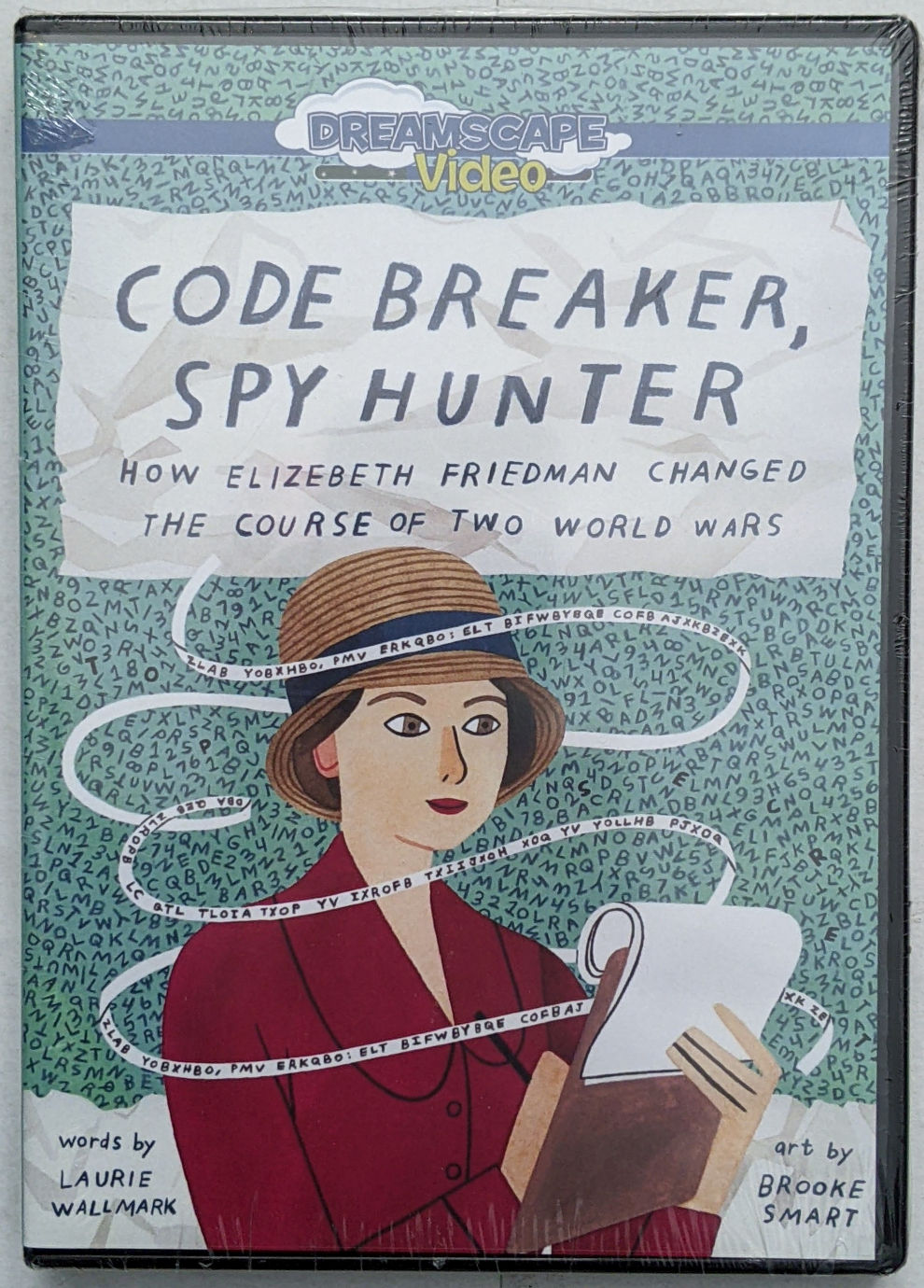
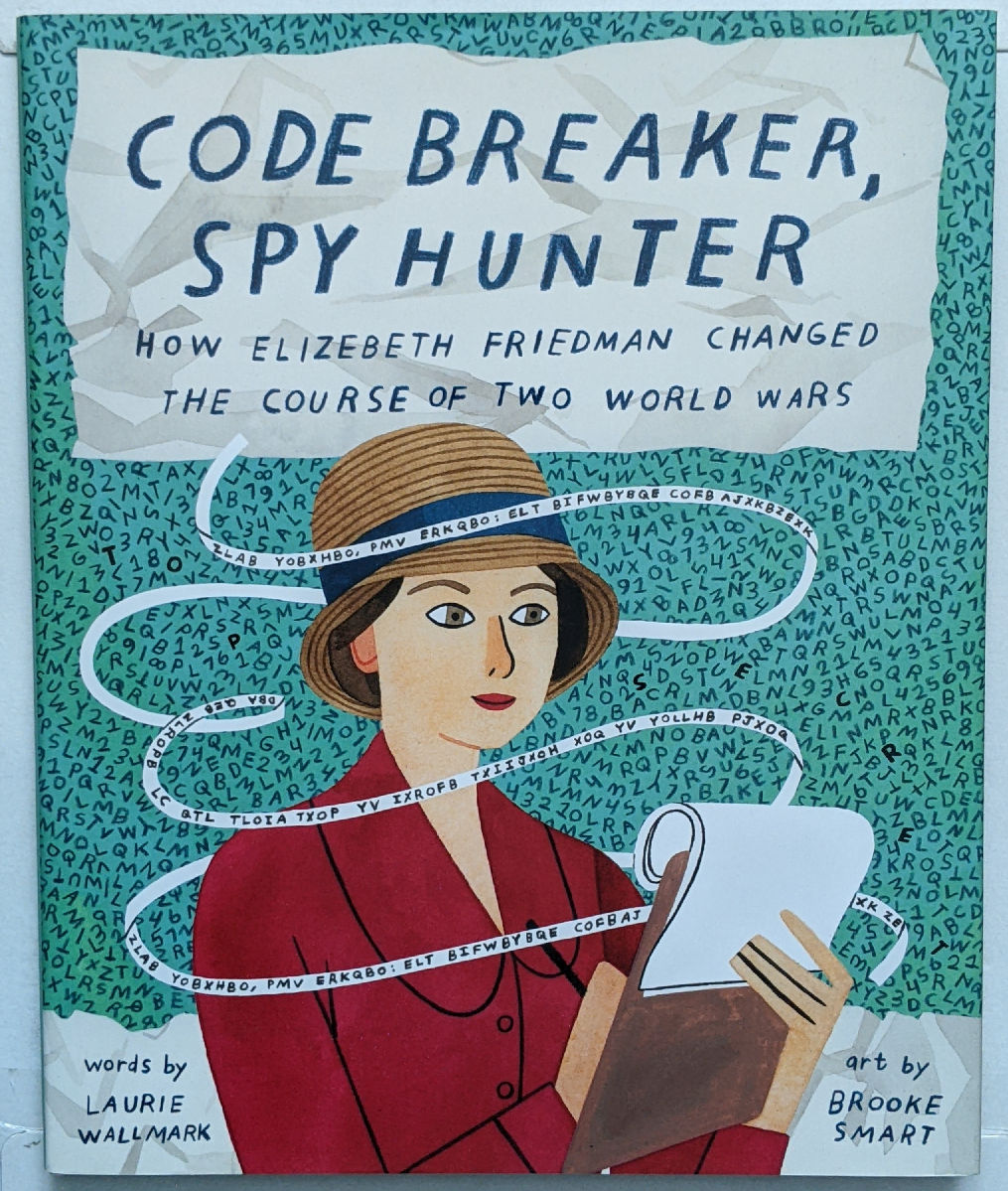
"Codebreaker and Spy Hunter - How Elizebeth Friedman Changed the Course of Two World Wars" (101 pages) par Laurie Wallmark, 2021. Editeur: Abrams. |
Livre avec couverture rigide par Laurie Wallmark (ISBN: 9781419739637). J'ai une copie avec couverture rigide dans ma collection. Il y a aussi un DVD qui est complémentaire au livre comme celui-ci de Dreamscape Media dans la collection. Voici le site web pour Dreamscape Media pour le DVD. Selon le site web d'Abrams, nous avons:
"Decode the story of Elizebeth Friedman, the cryptologist who took down gangsters and Nazi spies in Code Breaker, Spy Hunter, a picture book biography from award-winning authorLaurie Wallmarkand illustratorBrooke Smart.
|
|
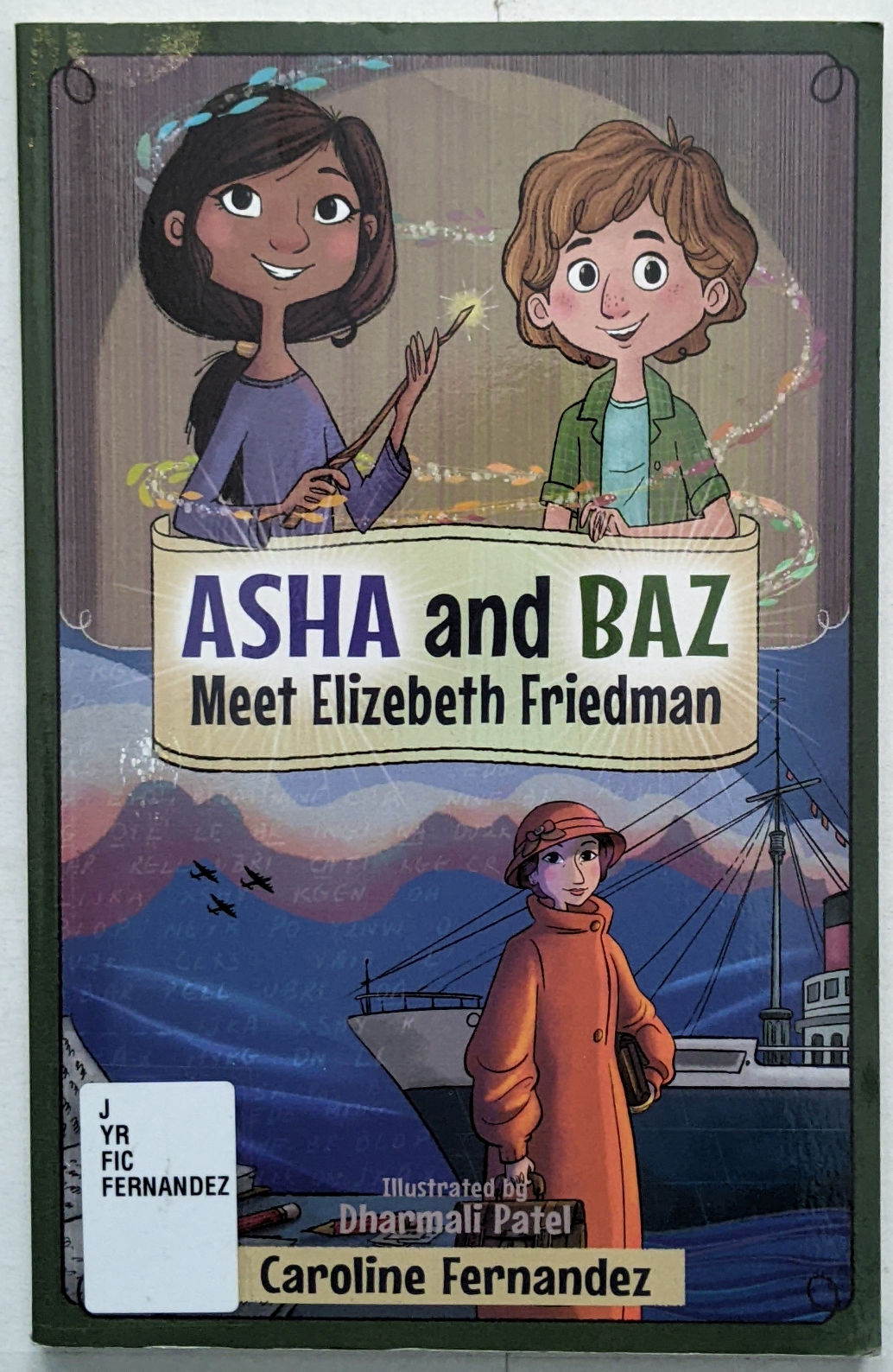
"Asha and Baz Meet Elizebeth Friedman" (101 pages) par Caroline Fernandez, 2023. Editeur: Common Deer Press. J'ai une copie avec couverture souple dans ma collection. |
Livre à couverture souple par Caroline Fernandez (ISBN: 9781988761831). Du site Common Deer Press, nous avons:
"In the third book in the Asha and Baz series, readers learn about secret codes and how to break them from World War II codebreaker Elizebeth Friedman!
|
|
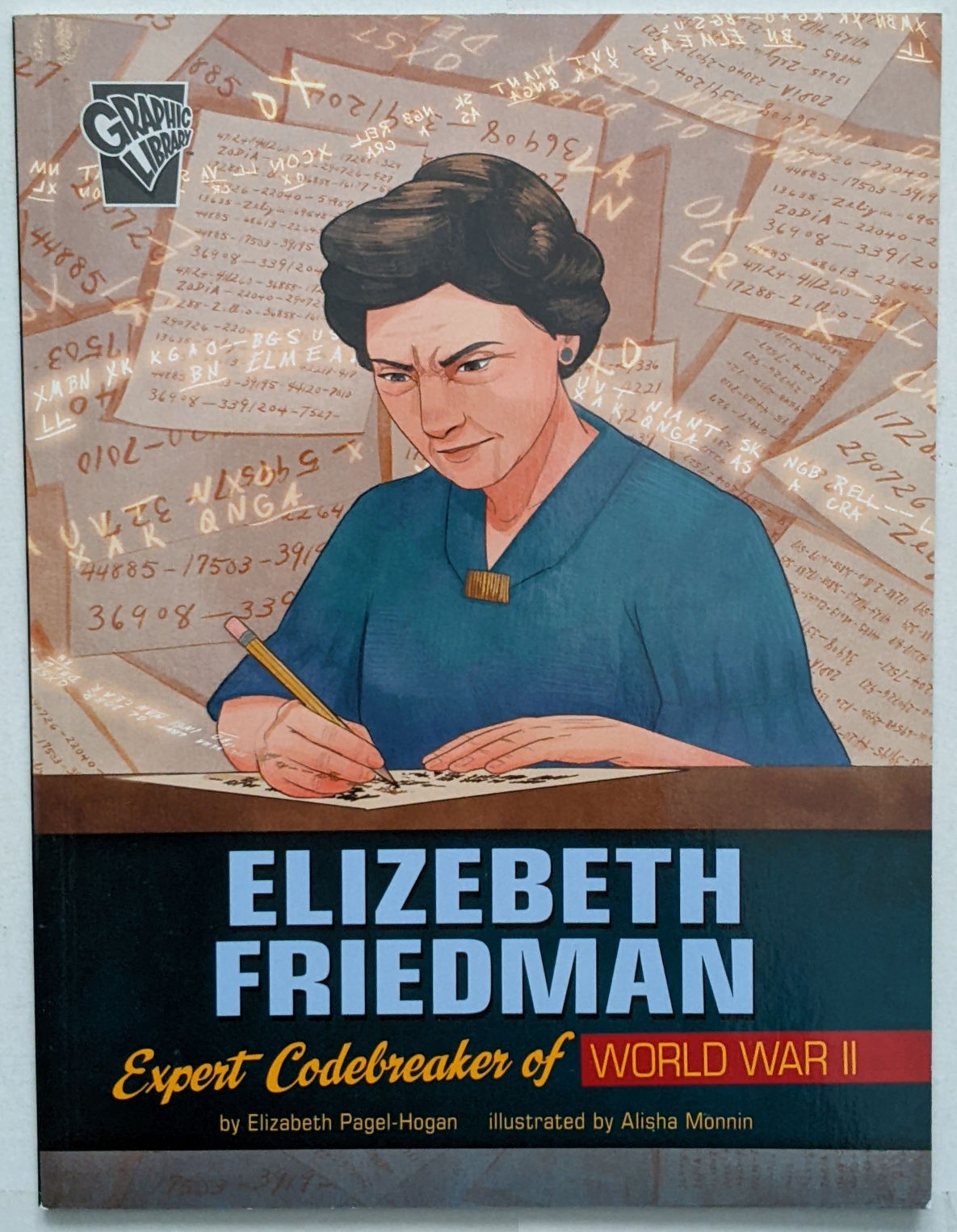
"Elizebeth Friedman - Expert Codebreaker Of World War II" (32 pages) par Elizabeth Pagel-Hogan, 2024. Editeur: Raintree. |
Roman avec couverture souple par Elizebeth Pagel-Hogan (ISBN: 9781398254732). Du site de l'éditeur, nous avons:
"An inspiring graphic novel about Elizebeth Friedman, a codebreaking pioneer who changed the course of World War II. Nazi spy rings! No-good gangsters! Shakespearian lies! Discover the courageous woman who cracked all these cases and more—with only a pencil and paper. The youngest of ten siblings, Elizebeth Friedman stood out from an early age with brilliant language skills and a passion for English literature. Eventually, these talents led to a new opportunity: codebreaking. Using ciphers and other trailblazing techniques, Friedman solved coded messages to take down some of the most notorious gangsters in the United States, including the infamous Al Capone. During World War II, as German forces stormed across Europe, she took her skills to the frontlines, thwarting Nazi spies and helping lead Allied forces to victory. In this action-packed, full-color graphic novel, learn more about this daring woman who took risks, defied expectations, and confronted the enemies of World War II."
|
|
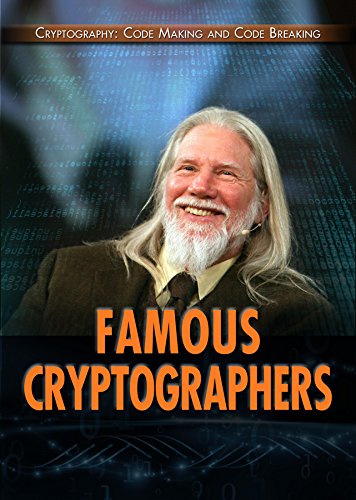
Livre - "Famous Cryptographers" par Jeri Freedman en 2016. Publié par The Rosen Publishing Group avec 64 pages - ISBN: 9781508173120. |
On peut lire une partie de ce livre à ce site Google Books. Chapitre 5 est intitulé "Elizebeth Friedman: Gangsters and Spies". De ce site web, nous avons la description suivant:
"The stories of some of the individuals who have shaped cryptography are engagingly told in this narrative. Readers consider Polybius and his cipher (the Polybius square), Julius Caesar and his secret military ciphers, diplomat Blaise de Vigenère and his polyalphabetic cipher, Antoine Rossignol, the "Black Chamber," and the Great Cipher he developed for Louis XIV, Anson Stager and Civil War cryptography, and cryptanalyst Agnes Meyer Driscoll, codenamed Madame X, who decrypted radio codes for the US government during both world wars. Elizebeth Friedman, Alan Turing, Whitfield Diffie, Martin Hellman, and Ralph Merkle and their cryptographic methods are also examined."
|